
Simone Brown confesses that she once spent an entire arvo watching a machine spin without checking the numbers behind it. Most players do the same thing, tapping reels on a phone while the train rattles toward Central. The habit feels harmless until someone points out that the return-to-player figure sits quietly in the background, shaping every session without asking permission.actual RTP pokies tracked Australia becomes the phrase that finally makes sense of those quiet numbers, and it is the thread running through this piece. The goal here is simple: move a complete beginner toward a player who knows what to look for before pressing spin.
Mobile-only players live in a different rhythm altogether. They do not open a desktop to compare screens or read fine print, and that changes what matters most. A good session on a phone starts with the same discipline a CRM team uses when sorting a membership list: clear segments, honest data, and a willingness to drop what does not perform. The comparison is not abstract, because a player who tracks return figures over time is doing exactly what a lifecycle manager does when judging which campaigns deserve budget. The difference is that the budget here is a bankroll, and the campaign is a single afternoon on the commute.
Why the return figure matters first
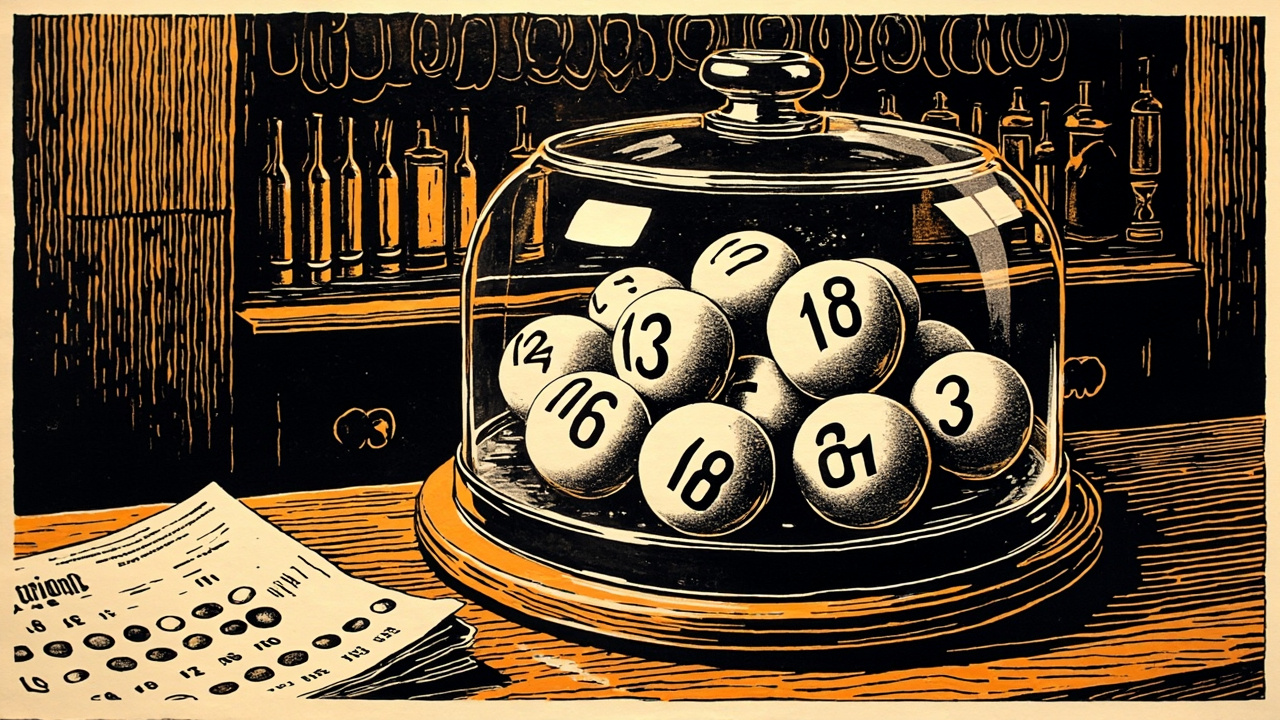
A return-to-player percentage is just a long-run average, which is a clumsy way of saying it tells you nothing about the next ten minutes. A machine advertised at ninety-six per cent can still swallow a deposit before the next train arrives at Wynyard. The number earns its keep only when a player treats it as a filter, not a promise. Someone learning the ropes should pick a title with a published figure in the mid-nineties or higher, then watch what happens over a set window rather than a single spin. The habit of checking the published figure before playing is the first concrete step that separates a casual tap from a deliberate session.
The mobile screen makes this easier in one sense and harder in another. A phone fits in a pocket, so a player can check a figure on the way to a Tuesday night match at the SCG, but the same screen hides the detail behind a swipe or two. A careful player learns where the information sits in the game menu, usually under a paytable or info icon, and writes the number down before the first wager. That small act of recording turns a vague impression into something that can be compared later, which is the same move a retention specialist makes when tagging a user before running a campaign.
How the pub and RSL habit differs from playing online
The local RSL hall and the neighbourhood pub run on a different logic to a phone in a hand. A pub pokie sits in a room with noise, drinks, and a social pace that makes it easy to lose track of time and money alike. Online play removes the crowd and the glassware, but it also removes the natural pauses that come from walking to the bar or waiting for a mate to finish a hand. A player moving from one setting to the other needs to build their own pauses, because the machine will not do it for them. The trade-off is clear: more convenience in exchange for more personal discipline.
That difference matters when a player starts comparing return figures across settings. A physical machine and a digital title can share a theme and a feel, but the underlying maths and the way sessions stretch out are not the same thing. Someone who grew up feeding coins at a local club should not assume the same session length or the same spending rhythm will carry across to a phone screen. The shift is less about the game and more about the environment around it, which is why a player who wants to track anything useful needs a way to mark start and finish times on their own terms.
Reading the numbers on a phone without fuss
A mobile player should treat the game info screen like a quick reference card, not a manual to memorise. The return figure usually sits near the paytable, and the volatility or hit frequency often appears somewhere nearby if the developer has chosen to show it. A beginner who wants to make sense of actual RTP pokies tracked Australia needs to pull that number out, note it, and then watch a small sample before drawing conclusions. The sample can be as simple as a fixed number of spins or a fixed amount of time, as long as it is consistent from one session to the next.
Players who want to compare these metrics across different titles can find consolidated tables that simplify the selection process. Visiting a dedicated review hub like https://repterriewood.com/ can help streamline this research. Many enthusiasts also share their findings under tags such as woo casino no deposit to highlight platforms with transparent payout structures.
The trick is to avoid reading too much into a single afternoon. A short run can look generous or cruel, and both impressions can be wrong in the same way a small email list can mislead a marketer who has not waited for the data to settle. A player who wants a usable read should set a modest limit for the observation window, say a few dozen spins or a short time block, and then stop to compare the result with the published figure. The exercise is not about winning that window; it is about learning whether the game feels like the number on the screen.
Setting a session limit before the first tap
A limit set before the first tap is the one habit that keeps a phone session from drifting into the next hour. The limit can be time-based, money-based, or both, and it works best when it is written somewhere visible before the game loads. A player who treats the limit like a campaign rule, something that applies whether the session is going well or badly, gets a cleaner read on what the game actually does. The rule is blunt, but blunt rules are often the only ones that hold up when a screen is small and the next spin is only a thumb-flick away.
The same idea applies to the pace of play. A phone makes it easy to tap quickly, and a quick tap can turn a measured observation into a blur. A player who wants to track anything useful should decide on a pace before the session starts, then keep to it long enough to notice what changes. That might mean a short pause after a win, or a fixed break after a set number of spins, or simply a rule that the phone goes face-down between rounds. The point is to create a rhythm that can be repeated, because repetition is what makes a pattern visible.
To restore that lost rhythm, many observers are returning to pen and paper, a practice highlighted in a recent analysis at this link: slow observation matters. The deliberate friction of writing by hand forces a pause between stimulus and response. That pause allows the mind to settle, turning scattered data into genuine understanding.
What changes when you compare two games side by side
Comparing two titles side by side exposes the difference between a number on a page and a game in motion. A player can put two games with similar return figures next to each other and still find that one feels tighter, one pays smaller amounts more often, and one eats time differently. The comparison works best when the player keeps the stakes equal and the observation window the same, because changing either one muddies the read. A side-by-side check is not a verdict on which game is better for everyone; it is a way to see which game fits a particular style of play.
A practical comparison often starts with the paytable and the smallest win lines. One title may offer frequent small returns that keep the session moving, while another may hold back for longer gaps between payouts. Neither pattern is inherently better, but each one suits a different kind of player and a different kind of session. Someone who wants a steadier feel should look for the pattern that matches that preference, then test it over a fixed window before assuming the published figure tells the whole story. The comparison is mitconseil-site.com where the number stops being abstract and starts being useful.
How to keep a simple session record
A simple record does not need a spreadsheet or a marketing dashboard, just a note that captures the essentials each time. A player can write down the game name, the published figure, the start time, the end time, and the result in a single line on a phone note or a scrap of paper. The record becomes useful only when it is repeated, because a single entry tells you little and a short chain of entries starts to show a pattern. The habit is close to the way a lifecycle marketer logs a user journey, except the journey here is a series of sessions rather than a series of emails.
The record also helps a player spot the moments when the session stopped being about the game and started being about the mood. A line that shows a long session with a poor result is a useful reminder that the phone makes it easy to keep going when the room around a pub pokie would have forced a pause. Someone who keeps the record for a few weeks can see where the time goes and where the spending goes, which is the first step toward playing with more intent. The record is not a trophy; it is a mirror.
Where the information shows up in practice
The information a player needs usually sits inside the game itself, though the exact spot varies from one title to another. A paytable, an info button, or a help section is where a published return figure tends to appear, and the same place often holds the volatility or hit-frequency detail if the developer has included it. A player who wants to compare games without leaving the phone should learn the layout of one or two favourite titles and then use that familiarity to find the same detail quickly in a new game. The skill is less about memorising numbers and more about knowing where to look.
Some players like to cross-check what they see inside the game with a second source before settling on a title. A quick look at a reputable guide or a comparison page can confirm whether the figure on the screen matches what the developer has published elsewhere, which is a useful habit when a player is still learning the ropes. A short visit to a site like gamblinghood.com can help a beginner see how one title compares with another before the first deposit goes through. The point is not to chase every number in the market, but to build a small reference habit that makes the next choice easier.
The slow build from guesswork to confidence
Confidence in this area comes from repetition, not from a single lucky run or a single clever read of a paytable. A player who starts with a published figure, sets a limit, keeps a short record, and compares a couple of titles over time begins to see what the numbers actually mean in practice. The process is slow in the same way a good CRM sequence is slow: the value shows up after the data has had time to accumulate, not after the first message goes out. The slow build is the only one that lasts, because a quick impression can be wrong in both directions.
The same process works on a phone as well as it does anywhere else, provided the player keeps the distractions in check and the records honest. A commuter sitting near Redfern can run a short observation window between stops, and a player waiting for a friend at a Newtown cafe can do the same thing over a coffee. The setting does not change the maths, and it does not change the need for a clean comparison. What changes is the convenience, which is both the advantage and the trap.
A quick way to compare processing timeframes
Processing time matters when a player is moving money in and out of an account, because a slow withdrawal can sour a session that otherwise felt clean. The comparison below shows how different methods tend to compare on speed, using typical ranges rather than promises, because the actual timing depends on the operator, the verification step, and the day of the week. A player who wants a faster read on their own cash should treat the timeframe as one factor among several, alongside the published return figure and the session limits they have already set.
| Method | Typical arrival | Notes |
|---|---|---|
| Card refund | One to three business days | Often the slowest of the common options |
| E-wallet | Within a day in many cases | Speed depends on the operator and verification |
| Bank transfer | Several business days | Useful for larger amounts, less quick for small ones |
| Cashier or counter payout | Same session in some venues | Depends on venue policy and local setup |
The table is not a ranking of which method is best for everyone, because the right choice depends on how a player likes to move money and how quickly they want access to it. A player who treats speed as the only factor can end up with a method that suits a quick withdrawal but complicates everything else. The better read comes from weighing the timeframe against the rest of the setup, including the return figure and the session limit, because a fast payout does not fix a game that does not fit the player’s style.
What happens after the first careful session
The first careful session usually ends with a note, a number, and a decision about whether to come back to the same title or try a different one. A player who writes down the result and the timeframe can return a few days later and run the same window again, which is where the pattern starts to show up. The follow-up is the part that turns a one-off check into a usable habit, because a single session tells you very little and a repeated session tells you something. The sequence is simple: play, note, wait, repeat, and then decide.
A second session often reveals whether the first read was a fluke or a fair picture. A player who returns to the same title with the same stake and the same observation window can see whether the result sits anywhere near the published figure over time. If the result drifts far from the number, the player has a reason to question the fit rather than blame the luck of a single afternoon. The follow-up is where the habit earns its keep, because it is the difference between a guess and a record.
A short checklist for the next mobile session
A short checklist keeps the next session from starting on autopilot. The list below is meant to be run through before the first tap, not after the money is already in play, because the value is in setting the frame early.
- Check the published return figure in the game info screen and write it down before the first wager.
- Set a time or money limit for the session and keep it visible on the phone or on a note.
- Decide on a fixed observation window, such as a set number of spins or a short time block, and stick to it.
- Compare two titles with similar stakes if you want a clearer read on how each one feels in motion.
- Record the result, the start time, and the end time in a single line so the next session can be compared with this one.
The list works best when it becomes routine, because a routine is what turns a careful first session into a repeatable habit. A player who runs through the same five points before each session starts to see where the game fits and where it does not, which is the point of tracking in the first place. The checklist is not a guarantee of a better result; it is a way to make the result easier to understand.
A player who starts with a confession like the one at the top of this piece usually ends up with something quieter: a phone put away on time, a note written down, and a clearer sense of what the numbers actually meant. The next arvo on the train toward Central can look different when the published figure is known, the limit is set, and the record is ready for the next entry.actual RTP pokies tracked Australia is the phrase that ties those small habits together, and it is the one that keeps a mobile player from drifting through a session without knowing what they are really watching.
